
Welcome to Bristol
Why Bristol?
We invite you to a city renowned for its powerful currents of history and innovation. Bristol is a place where connections are forged—from the groundbreaking engineering of Brunel's SS Great Britain, which once linked continents, to the vibrant street art that connects modern creativity with the city's historic fabric.
Here, the past is in constant dialogue with the future. It is a city where science, art, and industry have long converged to create something truly unique. What better setting, then, to explore the exciting intersections within archaeological science.
We look forward to gathering in this uniquely collaborative city to share our latest research and spark new conversations across the diverse landscape of archaeological science.
Key Sights & Experiences

A visit to Bristol offers a fantastic mix of history, art, and vibrant culture. Here are some of the top attractions we recommend exploring:
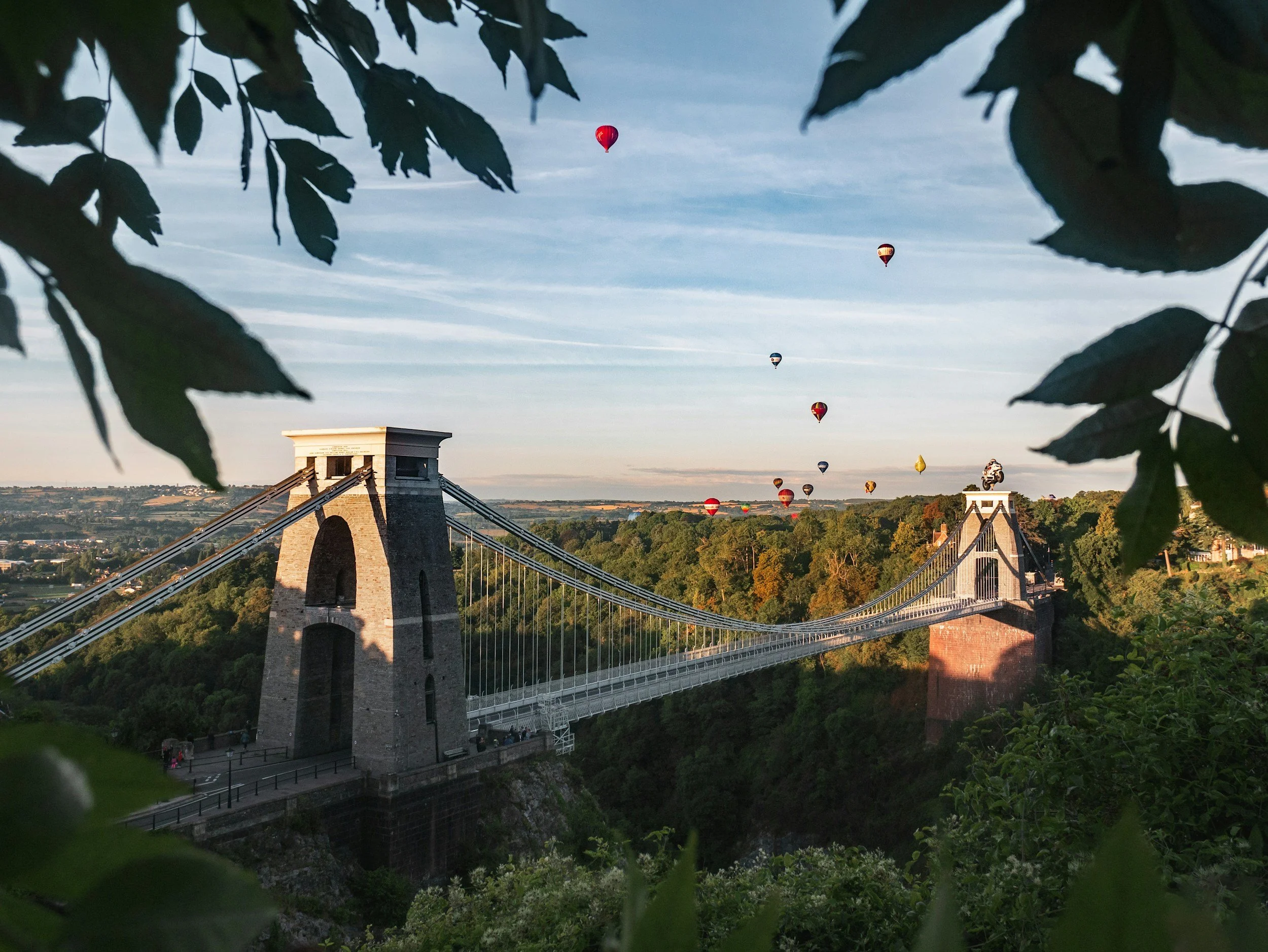
Clifton Suspension Bridge: An absolute must-see. This world-famous bridge, designed by Isambard Kingdom Brunel, offers breathtaking views of the Avon Gorge. Take a walk across, visit the new visitor centre, or simply admire it from the Clifton Observatory.
Brunel's SS Great Britain: Step aboard the world's first great ocean liner. This beautifully restored Victorian ship is now an immersive museum experience that offers a fascinating glimpse into maritime history and engineering genius. It's consistently rated as Bristol's top attraction.
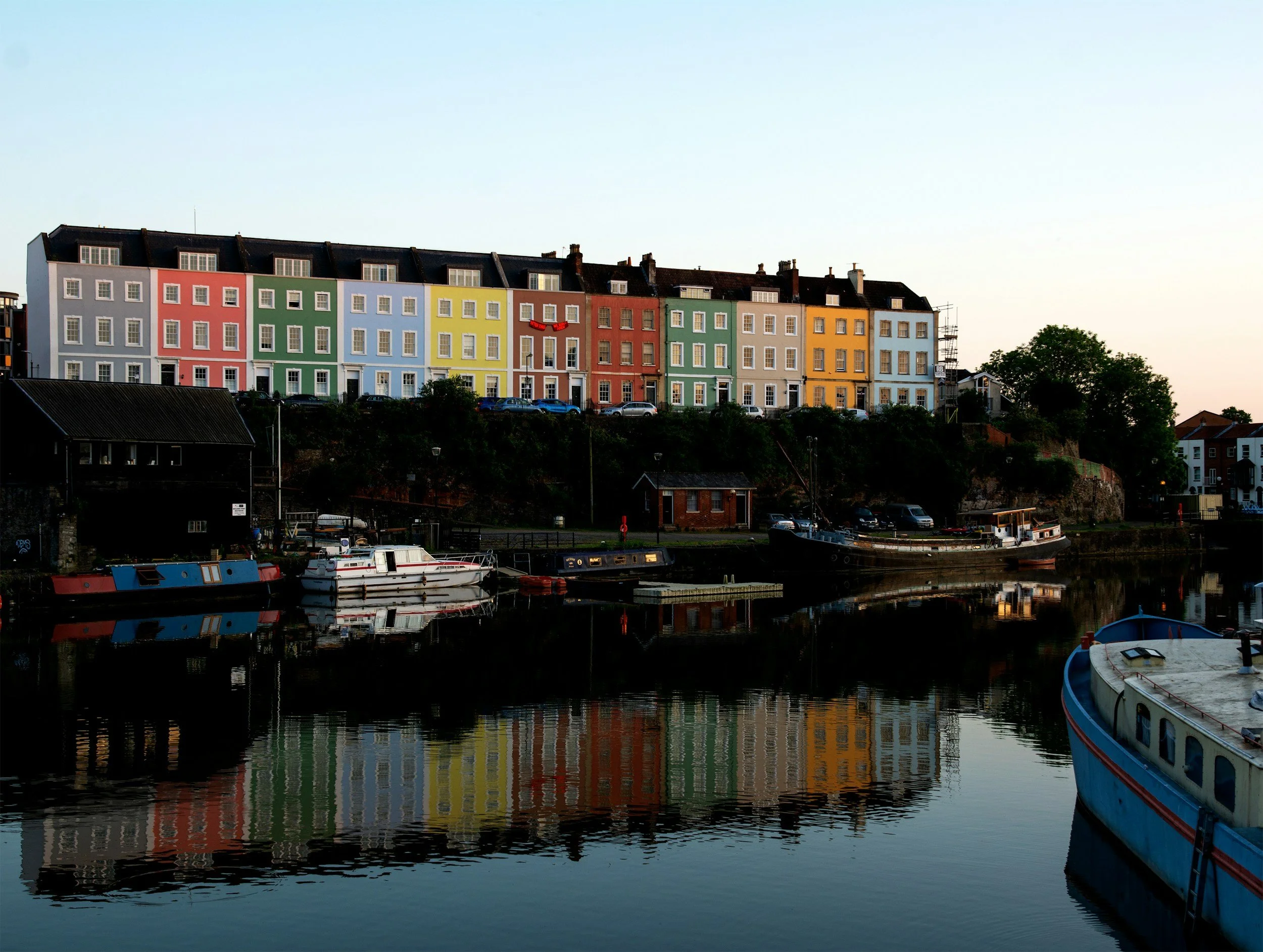
Explore the Harbourside: The historic floating harbour is the heart of the city. You can walk the entire loop, take a ferry trip, or visit the many museums, galleries, bars, and restaurants that line the water's edge. Don't miss Wapping Wharf, an acclaimed area of independent restaurants and shops housed in shipping containers.
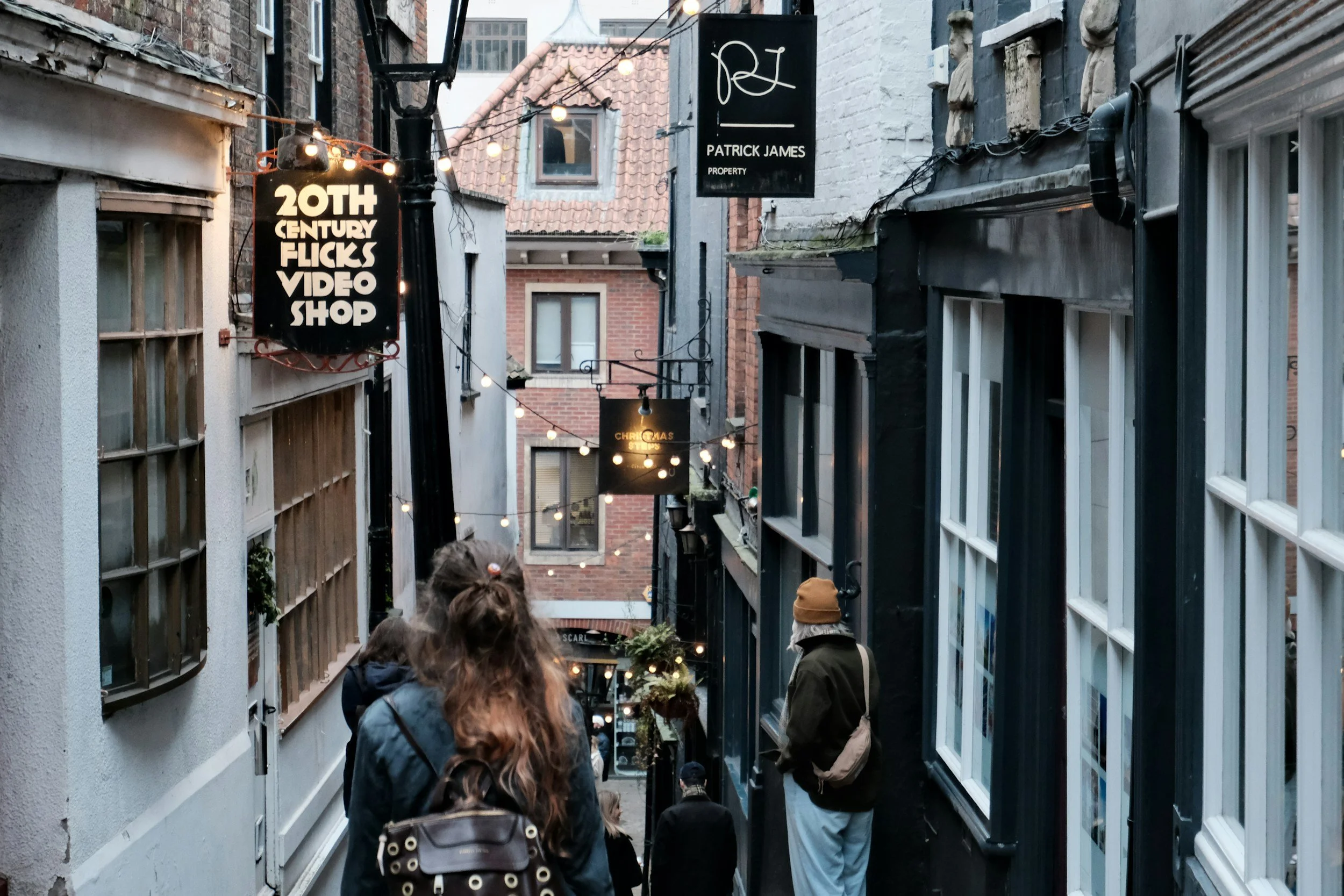
Discover Bristol's Street Art: Bristol is the reputed home of Banksy, and its walls are a canvas for incredible street art. Take a self-guided tour or join a walking tour to see famous works by Banksy and other local artists, especially around Stokes Croft and North Street.
M Shed: Located on the historic harbourside, the M Shed is a museum that tells the story of Bristol and its people. From its industrial past to its vibrant modern culture, it's a great place to understand the city's unique identity. This is where our conference dinner will be held.
St Nicholas Market: Dive into this vibrant, historic covered market, filled with quirky stalls, independent shops, and some of the best street food in the city. The glass arcade is a beautiful piece of architecture in its own right.
Bristol Cathedral: A stunning example of a "hall church," this beautiful and historic cathedral on College Green has been a place of worship for over 900 years. Its unique architecture and peaceful atmosphere make it well worth a visit.
Cabot Tower on Brandon Hill: For one of the best panoramic views of the city and harbour, climb the spiral staircase of Cabot Tower. Located in Brandon Hill park, it's the perfect spot for a short, scenic walk right in the city centre.

By Foot
Both the Arts Complex and the School of Chemistry are close to the city centre. They are approximately a 15-20 minute walk which is mostly uphill.
The entrance to the School of Chemistry can be tricky to find. Google Maps will try to take you to the South-East entrance, which requires card access. We recommend you follow the routes below to the main entrance to the School, or follow Google Maps’ directions to the Palm Temple sculpture, which is just outside the main entrance.
By Bus/Coach
By Rail
Transport in Bristol
Outside of term time the closest bus stops to the Arts Complex are Triangle West and Park Street Top when travelling north; and Queens Road when travelling south. All three are about a 10 minute walk away from the School of Chemistry and 15 minute walk away from the Arts Complex. Both of these walks are at least partially uphill. The 1, 2, 2a, 3, 4, 5, 8, 72, 77 and Y6 buses all stop at least one of these stops.
National Express and Megabus coaches serve Bristol Bus Station from a range of cities and major airports.
There are two main stations in Bristol, Bristol Temple Meads and Bristol Parkway, of which Temple Meads is the closest to the university. The 8 and 72 buses run from Temple Meads and Triangle West/Park Street Top and from Queens Road to Temple Meads taking between 20-30 minutes, although, this can be considerably longer at rush hour. The walk is about 30 minutes to the School of Chemistry and approximately 40 minutes to the Arts Complex.
There are also several local stations with direct trains from Bristol Temple Meads. Clifton Down Station is approximately a 10 minute walk from the Arts Complex and about a 15 minute walk from the School of Chemistry.
By Car
Parking in Bristol generally is very limited and there is no parking at the Arts Complex. There is very limited short stay pay and display parking on the surrounding streets.
Available car parks are:
West End Long Stay carpark, BS8 1EH, (https://www.bristol.gov.uk/residents/parking/where-to-park-in-bristol/west-end-long-stay-car-park ).
Trenchard Street carpark, BS1 5AN, (https://www.bristol.gov.uk/residents/parking/where-to-park-in-bristol/trenchard-street-long-stay-car-park ) Long Ashton Park and Ride (https://travelwest.info/park-ride/long-ashton-park-ride/ ) with 505 bus running from the stopping at Triangle West.
These options are about a 10 min walk away from the School of Chemistry and 15 min walk away from the Arts Complex.
By Air
Bristol Airport is 13km south of the city. The A1 airport flyer bus runs 24hrs a day with departures up to every 7 minutes, with drop offs at Bristol Temple Meads Railway Station, the City Centre (closest stop to the university) and Bristol Bus Station. (https://flyer.bristolairport.co.uk ).
Megabus also operates the Bristol Falcon between the airport and the city centre (https://www.megabus.co.uk/route-guide/plymouth-bristol-bristol-airport/ ).